Managing Attorney and Founder, Vetus Legal LLC
Todd M. Wesche
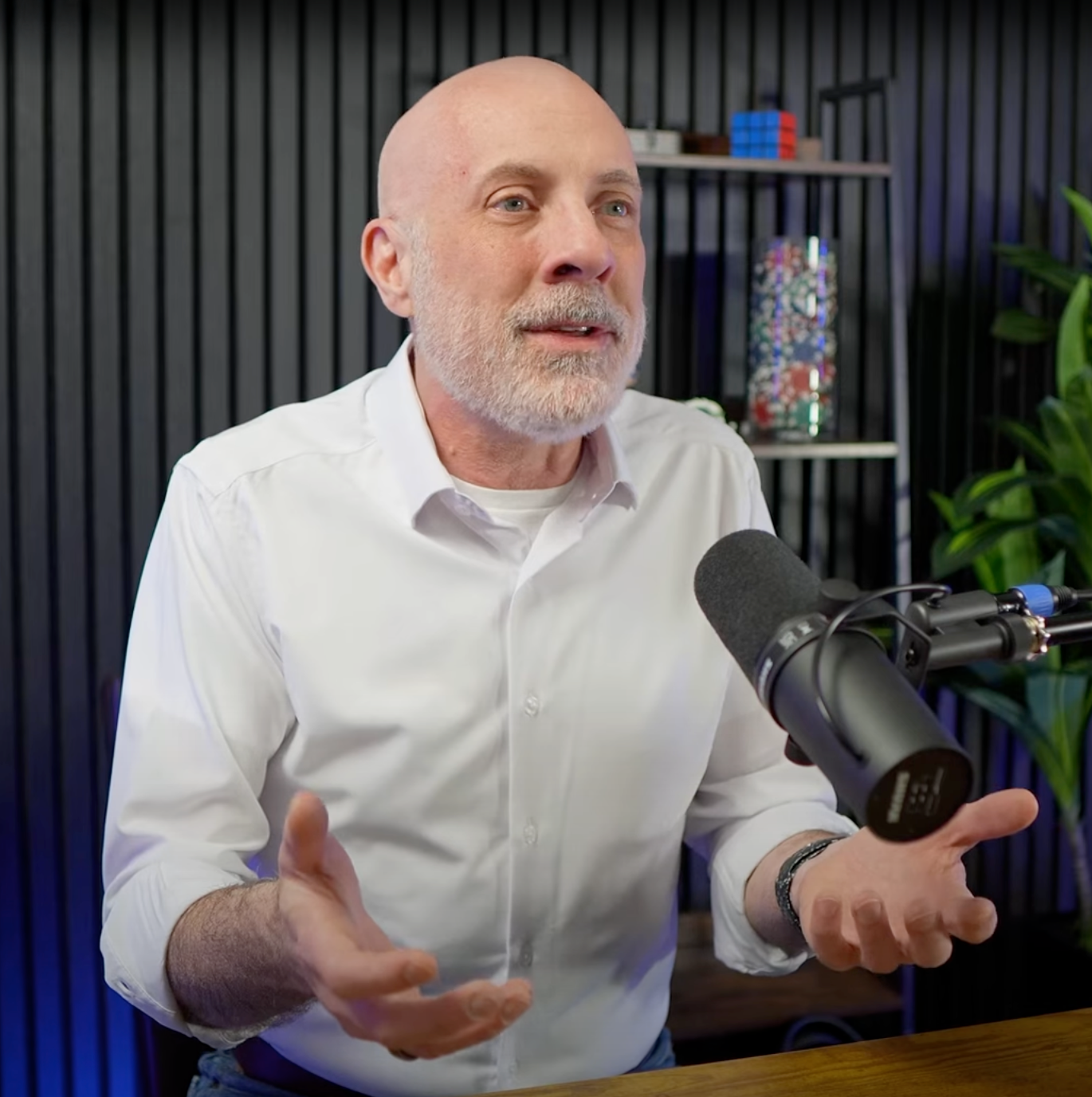
In 2017, the same year Todd M. Wesche opened his own firm, he filed a VA disability claim for himself.
He was not new to the system. He had clerked at the federal court that reviews VA decisions, and he had spent more than a decade at that point helping other people with these claims. He knew the regulations. He knew what evidence mattered. He knew how a file was supposed to be built.
The VA denied it anyway.
He almost never filed at all
The part Todd comes back to is not the denial. It is how long he waited before filing. He left the Air Force in 1994 and did not file until 2017. Twenty-three years.
He had reasons. Someone else needed it more. It wasn’t that bad. He was fine. He believed all of that at the time.
Those are not excuses unique to veterans. They are the reasons people give themselves when they put off something difficult for too long — and the VA system often makes waiting feel easier than starting.
The denial letter made something plain that his clients had been telling him for years. The paperwork is not always the hardest part. Sometimes the hardest part is being told, on paper, that you have not been believed.
Before the law
He did not enlist because he had always planned on a military career. He enlisted because he needed a way out.
After several years of college in the Midwest, without any clear sense of where he wanted to go next, Todd joined the Air Force. It was a way to leave a place that no longer felt like it held much for him.
What came next took longer. He worked full time and went to school at night for all three degrees: a bachelor’s from the University of Massachusetts Lowell in 1998, a law degree from Suffolk University in 2002, and a Master of Laws from The George Washington University in 2004. For most of twelve years, his days were spent at work and his evenings in class.
Four years behind the curtain
From 2004 to 2008, Todd worked at the United States Court of Appeals for Veterans Claims, first as a law clerk and later as senior law clerk to Judge Bruce E. Kasold. The Court reviews decisions from the Board of Veterans’ Appeals. For many veterans, it is the last place their case will be heard.
He saw which arguments and strategies held up and which ones fell apart on the page. He saw the difference between an advocate who knew the record and one who only knew parts of it — on both sides. And he learned the law at the feet of the judges who decide what the law means and how it’s properly applied in VA claims. Most lawyers in this field argue to that court from the outside. Todd spent four years inside it. That kind of education does not come from a textbook, and it does not show up in a published decision.
What he knows
VA benefits law is a narrow, specialized area of federal law, and he has over two decades of experience in it.
Service connection, and the secondary conditions that grow out of a condition already connected. How a rating percentage gets assigned, and what it takes to move one. Total Disability based on Individual Unemployability. What to do when the VA proposes to cut a rating rather than raise it. The compensation statute at 38 U.S.C. Chapter 11, the entitlement regulations at 38 C.F.R. Part 3, and the rating schedule at Part 4. And the practice of appeals — at the VA Regional Office, before the Board, and before the Court where he clerked.
He also knows the part of the system a family reaches after a veteran dies: Dependency and Indemnity Compensation and the survivor benefits that go with it. A veteran’s service can still provide for the people left behind. That is what these benefits are for.
Vetus Legal
After the clerkship, Todd practiced veterans’ law at Goodman, Allen & Filetti from 2008 to 2011, then at LaVan & Neidenberg, P.A. from 2011 through December 2017.
He founded Vetus Legal in December 2017. VA denied his claim the next year. It confirmed his decision to open the firm, and it made the problem sharper. Todd had more knowledge of the VA system than almost any veteran brings to a case, and that still did not spare him.
Disabled veteran. Former clerk at the court that reviews VA decisions. Owner of the firm. Few people in this practice bring all three perspectives to the same work — and each one shapes the way Vetus Legal works.
The way he wants the firm to practice is straightforward: do serious advocacy without losing sight of the person. Todd opened the envelope himself. He knows what it is to be a veteran, a disabled veteran, and a disabled veteran who understood the system and was denied anyway.
He gets it.
“For years I told veterans that a denial was not a verdict on whether they were believed. Then I got one myself, and I felt exactly what I had been telling others not to feel. I think about that feeling when someone new comes to this firm. Not the law. The feeling.”
Last updated August 27, 2026